Used Trailers For Sale From WCT Sales
4th Sep, 2026
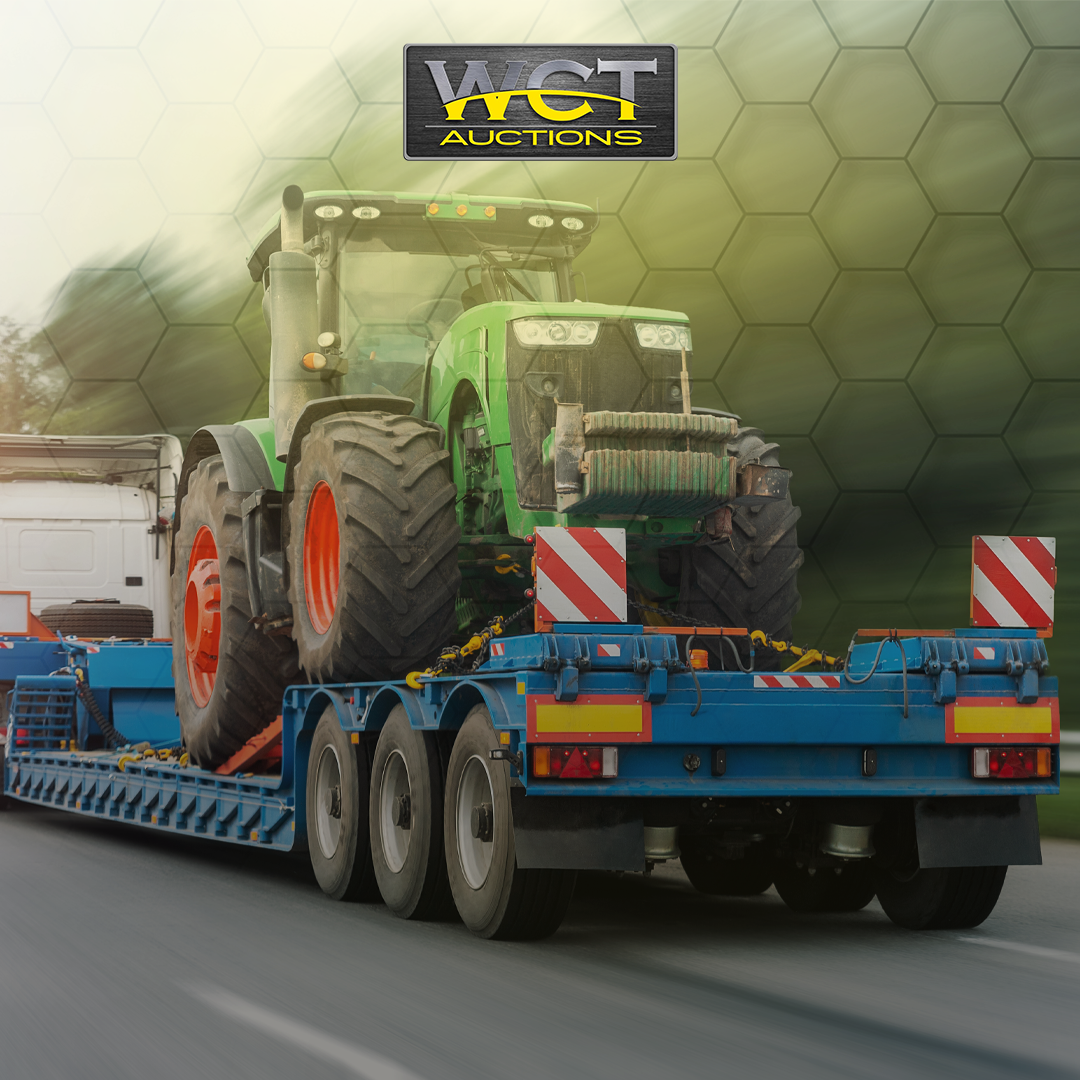
Choosing the Right Trailer Type for Your Operation
Searching for used trailers for sale is not only about finding an available trailer.
For business buyers, the more important question is whether the trailer suits the work it needs to do. A trailer must support the load, route, truck combination, operating environment, and commercial requirement behind the purchase.
A trailer that works well for one business may not suit another. A tautliner used for route-based logistics will be assessed differently from a side tipper used for bulk material work. A lowbed used to move plants or equipment will serve a different purpose from a flatdeck used for general cargo.
That is why buyers should compare used trailers according to application, not only price or availability.
WCT Sales gives business buyers a way to enquire about selected used commercial trailers and available stock. Some trailers may be available for direct sale, which means buyers can confirm availability, review relevant asset details and decide whether the trailer suits their operation before taking the next step.
Start With the Work the Trailer Needs to Do
Before comparing trailer types, buyers should first define the work the trailer needs to support.
A used trailer should be treated as a working asset. It needs to carry the right load, connect to the right vehicle, operate on the right routes and fit into the buyer’s existing fleet or project requirements.
Business buyers should ask:
What type of load will the trailer carry?
Will it be used for local, long-distance, site or mixed-route work?
Does the trailer need to support an active contract?
Will it operate in logistics, construction, mining, agriculture or industrial environments?
What loading and unloading method will be used?
Does it need side access, rear access, tipping capability or a flat loading surface?
Will it work with the buyer’s existing truck tractor or fleet vehicles?
What condition, documentation and collection requirements need to be considered?
These questions help narrow the search. Instead of comparing every available trailer, buyers can focus on the trailer types that suit their actual operational requirements.
The right used trailer is not always the one that looks attractive first. It is the one that can support the business properly after purchase.
Flatdeck and Flatbed Trailers for General Cargo and Materials
Flatdeck and flatbed trailers are often used when buyers need a practical loading platform for materials, equipment or mixed cargo.
These trailers may be useful for businesses that move:
construction materials;
steel;
timber;
pallets;
machinery;
agricultural materials;
industrial equipment;
general cargo;
mixed loads.
The main advantage of a flatdeck or flatbed trailer is flexibility. It can often accommodate different types of loads, provided the load, weight, and securing requirements are suitable.
For buyers, the key question is whether the trailer’s deck, chassis and configuration match the intended use.
Before enquiring about a flatdeck or flatbed trailer, buyers should consider:
deck condition;
visible wear or damage;
tie-down points;
chassis condition;
tyre condition;
axle configuration;
load area;
compatibility with the intended truck;
Whether the trailer suits the planned cargo.
A flat deck may look like a general-purpose option, but it still needs to match the work. A trailer used for light materials may not be suited to heavier industrial or construction loads without proper assessment.
Tautliner and Curtain-Side Trailers for Logistics and Distribution
Tautliner and curtain-side trailers are often used in logistics, distribution and general freight operations where cargo protection and loading access matter.
These trailers may suit businesses moving:
palletised goods;
packaged products;
retail stock;
route-based freight;
protected cargo;
General distribution loads.
A tautliner or curtain-side trailer can be useful when side loading is required or when goods need some level of protection during transport.
Buyers should pay close attention to the curtain system and the condition of the body. The trailer may appear suitable from a distance, but damaged curtains, poor locking mechanisms or roof concerns can affect usability.
Before enquiring about a tautliner or curtain-side trailer, buyers should consider:
curtain condition;
roof condition;
doors and locking mechanisms;
side access;
deck condition;
chassis and suspension;
tyres;
general body condition;
Whether the trailer suits the route and cargo type.
A tautliner may be a strong option for logistics work, but it must still match the buyer’s loading process, delivery environment and fleet requirements.
Side Tippers and Tippers for Bulk Material Work
Side tippers and other tipping trailers are commonly used where bulk materials need to be moved and offloaded efficiently.
These trailers may be relevant for:
aggregates;
sand;
stone;
soil;
construction materials;
mining support;
agricultural bulk loads;
Site-based material movement.
For construction, mining, and agricultural buyers, a side tipper or tipper trailer can be useful when the work involves frequent loading and offloading of loose material.
The condition of the body and tipping components is especially important. These trailers often work in demanding environments, so buyers should look beyond general appearance.
Before enquiring, buyers should consider:
body wear;
tipping mechanism condition;
hydraulic system condition where applicable;
chassis and frame condition;
suspension;
axles;
tyres;
signs of heavy use;
whether the trailer suits the material being carried;
Whether the buyer has the right truck setup to use it.
A side tipper that suits one site or material type may not suit another. Buyers should confirm whether the trailer matches the load, route, and operating environment before proceeding.
Lowbeds for Plant, Equipment and Heavy Loads
Lowbed trailers are often used when businesses need to move plant, machinery, yellow metal or heavy equipment.
They may be relevant for:
construction companies;
plant hire companies;
mining contractors;
industrial operators;
agricultural businesses;
Companies moving equipment between sites.
A lowbed trailer is not usually bought for general freight. It is bought because the business needs to move specific equipment safely and practically.
Before enquiring about a lowbed, buyers should consider:
deck condition;
ramps where applicable;
axle configuration;
suspension;
tyres;
chassis condition;
coupling requirements;
truck tractor compatibility;
equipment size and weight;
Site access and loading conditions.
Lowbeds need to be matched carefully to the type of equipment being moved. A trailer may be available, but if it does not suit the machinery, access requirements or truck combination, it may not be the right asset.
Other Trailer Types Buyers May Need to Consider
Depending on available stock, buyers may also come across other commercial trailers for sale.
These may include:
refrigerated trailers;
skeletal trailers;
tanker trailers;
dropside trailers;
utility trailers;
support trailers;
semi-trailers;
Drawbar trailers.
Each trailer type has a different commercial purpose:
A refrigerated trailer may suit cold-chain transport where temperature-sensitive goods need to be moved.
A skeletal trailer may be relevant for container movement.
A tanker trailer may be used for liquid transport, depending on its specification and condition.
A dropside trailer may suit mixed cargo, site work or general materials.
Utility or support trailers may help businesses move tools, equipment or operational supplies.
Availability can change, so buyers should confirm current stock with WCT Sales before making plans around a specific trailer type.
The important point is that the trailer type should always be linked back to business use. A trailer should not only be available. It should be suitable.
Match the Trailer to Your Truck and Route
Trailer choice does not happen in isolation. The trailer must work with the truck, the route and the operating environment.
A used trailer may be the right type on paper, but still not suit the buyer’s fleet if compatibility is not considered.
Business buyers should think about:
truck tractor compatibility;
coupling requirements;
axle configuration;
load weight;
route distance;
road conditions;
depot access;
site access;
turning space;
loading and unloading process;
whether the trailer will be used locally or long-distance;
Whether the trailer supports current or future contracts.
This is especially important when buying trailers for transport, logistics, construction or mining support.
A logistics company may need a trailer that works efficiently on long-distance routes and loading bays. A construction company may need a trailer that can handle site access and heavier materials. A mining support business may need a trailer that can cope with more demanding operating conditions.
The better the trailer matches the route and work, the more practical the purchase is likely to be.
Condition Still Matters Before Enquiring
Choosing the right trailer type is only part of the buying decision.
Condition still matters.
A trailer may be the correct type, but if its condition does not match the buyer’s expectations or budget, it may require additional work before it can be used.
Before enquiring about a used trailer, buyers should review or ask about:
tyres;
brakes;
suspension;
axles;
chassis and frame;
deck or body condition;
lights and electricals;
landing legs;
coupling or kingpin area;
side panels;
curtains, doors or locking mechanisms where relevant;
hydraulic systems where relevant;
refrigeration units where relevant;
visible damage or wear;
Known faults were available.
Used trailers have worked. The goal is not always to find a trailer with no wear at all. The goal is to understand whether the condition is suitable for the intended use and what costs may follow after purchase.
Buyers should also consider whether they have workshop access, parts support or service providers who can assist with preparation if needed.
Documents, Location and Availability Should Be Confirmed Early
Documents and practical details can affect how quickly a buyer can move forward.
Before making a decision, buyers should confirm what information is available and whether the trailer is still on offer.
Important details may include:
registration papers;
licensing status;
NATIS documents where relevant;
VAT status;
service or maintenance records where available;
asset location;
viewing options;
collection requirements;
What is included in the sale;
Whether the trailer is still available.
Availability is especially important when comparing trailers for sale in South Africa or trailers for sale in Gauteng, where commercial buyers may be monitoring the same types of assets.
A trailer may appear suitable, but stock can change. If a trailer fits the business requirement, buyers should confirm availability before making transport, finance or operational plans.
Through WCT Sales, buyers can enquire about available trailer stock and review relevant details before deciding whether the asset suits their operation.
Direct Sale vs Trailer Auction Opportunities
Buyers looking for used trailers for sale may come across different buying routes.
Some trailers may be available through direct-sale stock. This allows buyers to enquire about a specific asset, confirm availability, and review details before deciding whether to proceed.
Other trailers may be available through auction opportunities, where buyers review the lot information, register to bid, and participate within a defined auction period.
Neither route is automatically better for every buyer. The right route depends on the asset, the buyer’s timeline, the available information, and the way the business prefers to purchase.
WCT Sales supports buyers who are looking at selected used trailers or available commercial stock through a direct-sale route. WCT Auctions may also offer trailer auction opportunities separately through timed online auctions.
For buyers, the important thing is to understand which process applies.
If the trailer is direct-sale stock, the next step is to enquire and confirm availability. If the trailer is listed for auction, the buyer should understand the auction terms, registration requirements, and bidding timeline.
How WCT Sales Helps Buyers Enquire About Used Trailers
WCT Sales gives business buyers a direct way to enquire about selected used commercial trailers and available stock.
For buyers comparing trailer types, this can be useful because it allows them to confirm whether a specific asset is still available, review the relevant details, and decide whether the trailer suits their operational needs.
A buyer can start by:
viewing available stock;
identifying a trailer that may suit the business;
confirming availability with WCT Sales;
asking about relevant asset details;
checking the trailer type and application;
reviewing condition information where available;
arranging next steps where applicable;
Deciding whether the trailer fits the intended use.
Available stock can change, so buyers should enquire early when a trailer appears to match their needs.
The goal is not simply to find a used trailer. The goal is to find a trailer that supports the business properly.
Final Thoughts: Choose the Trailer That Fits the Work
When comparing used trailers for sale, the right choice depends on the work the trailer needs to perform.
Flatdeck, tautliner, side tipper, lowbed, and other trailer types all serve different business purposes. A trailer should be matched to the load, route, truck combination, site access, condition expectations, and buying process.
For business buyers, the best decision is usually the one based on clear information and a realistic understanding of how the trailer will be used.
A used trailer should be assessed as a working asset, not just a listing.
If you are comparing used trailers for sale and want to know whether a specific asset is still available, ask WCT Sales about available trailers or enquire about the asset details.