Turning Surplus Trucks and Trailers Into Working Capital
30th Jun, 2026
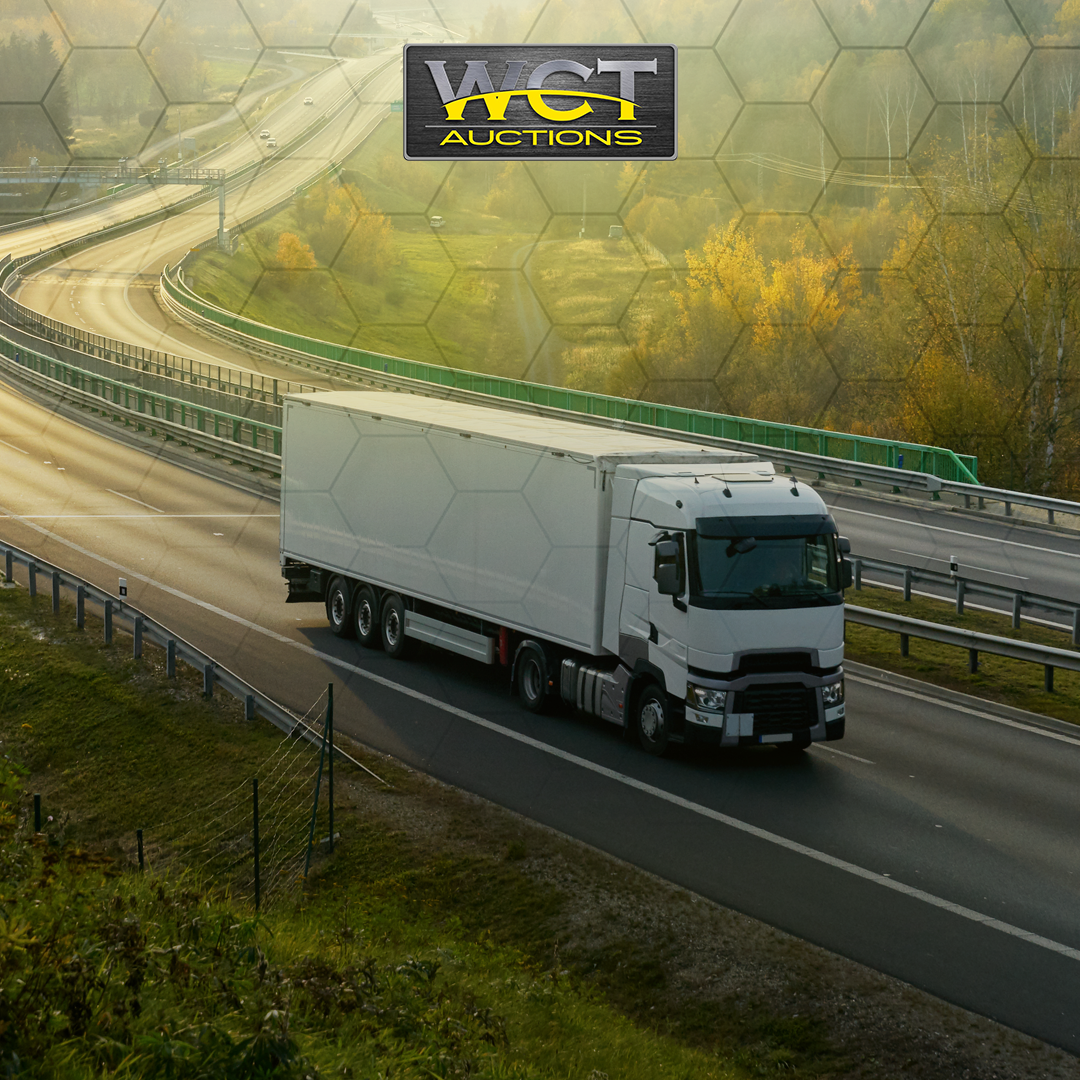
Transport companies build their fleets around movement, contracts and capacity. Every truck, trailer and support vehicle is bought for a reason. It needs to serve routes, support client commitments, move goods efficiently and help the business keep operating.
But fleet requirements change.
A vehicle that once had a clear role may no longer fit the work the business is doing today. A truck may still be roadworthy. A trailer may still be usable. A vehicle may still have resale value. But if it is no longer supporting active contracts, current routes or future fleet planning, its value may be sitting in the wrong place.
That is often where the disposal decision begins.
At WCT Auctions, we understand that transport companies do not sell trucks and trailers simply because they are old. In many cases, these assets still have working value. The issue is that they no longer carry the same value inside the seller’s operation.
That is an important distinction.
For transport companies, contractors, fleet owners and logistics businesses, the question is not only, “Can this vehicle still operate?” The better question is, “Does this asset still justify its place in the fleet?”
When the answer becomes uncertain, a timed online auction can provide a structured way to move surplus trucks, trailers and fleet vehicles back into the market while they still hold value for commercial buyers.
Surplus fleet assets are a business decision
Trucks and trailers become surplus for many reasons. Routes change. Contracts end. New vehicles are introduced. Fleet requirements shift. Certain vehicle types may no longer match the work being prioritised by the business.
In some cases, a truck is replaced because a newer or more efficient model has entered the fleet. In other cases, a trailer is no longer suited to the type of freight, route or contract the business is servicing. Some vehicles become duplicated across the operation, while others remain parked because the business expects they may be needed again at some point.
These decisions are part of running a fleet.
The challenge is that a vehicle can remain usable long after it has stopped being useful to the business.
When that happens, capital remains tied up in an asset that is no longer contributing properly. The vehicle may still have market appeal, but that value is not helping the seller while it sits idle, underutilised or disconnected from active work.
This is where timing matters.
Holding onto surplus fleet assets for too long can make the eventual sale more difficult. Condition may deteriorate. Licensing or documentation may become less current. Maintenance history may become harder to present. Buyer confidence may weaken if the vehicle has been standing for too long.
For transport companies, the opportunity is not only to remove an unused vehicle from the yard. It is to recover value while the asset still has practical use for another buyer.
The right time to sell is often before the asset becomes a problem
Fleet assets are not only suitable for auction when they have reached the end of their working life.
In our experience, some of the better auction candidates are trucks and trailers that still have operational value but no longer fit the seller’s current fleet requirements. These assets can still attract serious buyers because they may solve a specific need elsewhere.
A truck that no longer suits one route may still suit another operator. A trailer that no longer fits one contract may be useful to a buyer with a different application. A support vehicle that is underutilised in one business may be needed in another.
That is why timing is important.
If the vehicle still presents well, still has a clear use case and still appeals to commercial buyers, it may be better to move it into the market before its value weakens.
Waiting for a vehicle to become a burden can reduce the strength of the sale. The asset may still sell, but the seller may lose the benefit of acting while the vehicle still carries stronger buyer appeal.
A timed online auction gives transport companies a way to act with structure. Instead of leaving the asset in the yard or relying on an informal private sale, the vehicle can be placed into a defined auction campaign with a clear bidding period.
That helps turn the decision to sell into a managed process.
WCT Auctions does not replace the seller’s fleet knowledge
A transport company understands its own vehicles. It knows why a truck was bought, which routes it supported, what type of work it performed and why it no longer fits the fleet.
That knowledge is valuable.
But understanding the vehicle and taking it to market are not the same thing.
This is where WCT Auctions plays an important role.
Our role is not to explain trucks and trailers to transport companies. Our role is to help turn the seller’s fleet knowledge into a clear, professional auction opportunity that commercial buyers can assess with confidence.
The seller understands the asset’s history and operational context. WCT Auctions provides the auction structure, market-facing process and buyer environment.
That combination matters.
A truck, trailer or fleet vehicle should not be treated as a casual second-hand sale when it still represents business value. It needs to be positioned in a way that allows relevant buyers to understand the opportunity and decide whether it fits their operation.
WCT Auctions helps sellers bring that asset to market through a timed online auction process built around structure, visibility and buyer confidence.
Why private selling can become inefficient
Private selling may seem simple at first, especially when a business already understands the vehicle and knows there may be demand for it.
But private sales can quickly become time-consuming.
Sellers may deal with repeated enquiries, slow decisions, price negotiations and buyers who show interest but do not commit. Internal teams may need to manage calls, share details, arrange viewings, follow up with prospects and negotiate terms.
For a transport company, that process can become a distraction from the core business.
The longer the process remains open, the more uncertain it becomes. The vehicle continues to sit in the fleet, the seller continues to manage enquiries, and the sale depends heavily on one buyer’s timing, budget and decision-making process.
A timed online auction creates a different route to market.
The asset is placed into a defined auction campaign. Buyers have a set period to review the opportunity, inspect where applicable and place bids online. The process gives the sale a clear timeline and moves interested buyers into the same bidding environment.
This is one of the practical advantages of auction. It does not rely on one private negotiation stretching over weeks or months. It creates a structured sales window and gives the seller a more focused way to move surplus assets.
Reaching buyers who understand commercial vehicles
When selling trucks and trailers, exposure only matters if it reaches the right type of buyer.
A transport company does not need random public interest. It needs commercial buyer interest from people who understand the value and application of fleet assets.
The right buyer may be another transport operator. It may be a contractor, logistics company, plant hire business, industrial operator or business owner looking to add capacity. Some buyers may need a truck for a specific contract. Others may be replacing an existing vehicle, expanding a fleet or looking for a trailer type that suits a particular application.
That buyer may not be local. They may operate in another province, service a different industry or have a different use for the asset than the original owner.
This is where timed online auctions can work well for transport assets.
The online format allows buyers from different areas to assess available vehicles and participate without being limited to a physical auction floor. For sellers, this creates a broader route to market while still keeping the sale within a structured auction process.
At WCT Auctions, we help place trucks, trailers and commercial fleet assets in front of buyers who understand their operational value. The aim is not simply to generate attention. The aim is to create a proper auction environment where relevant buyers can assess the asset and act within a defined bidding period.
Turning fleet value into working capital
One of the challenges with surplus fleet assets is that their value can become trapped inside the business.
A truck may still be parked on-site. A trailer may still be available. A support vehicle may still be technically usable. But if that asset is not being used properly, it is not contributing in the way it should.
The value only becomes useful again when the asset is moved back into the market and converted into recoverable capital.
For transport companies, this can support several business priorities. It can help with fleet rationalisation, de-fleeting, yard clearance, project close-out, contract changes or capital recovery for future fleet requirements.
The purpose of selling is not always to reduce the fleet because something has failed. Often, it is to make sure the fleet remains aligned with the work the business is actually doing.
That is where WCT Auctions adds value.
We help sellers move surplus or underutilised trucks, trailers, fleet vehicles and support assets into a structured auction process. This gives the business a practical way to recover value from assets that no longer serve the operation, while those assets still hold appeal for buyers who can put them back to work.
Selling through WCT Auctions
When transport companies work with WCT Auctions, they are not simply listing vehicles online and waiting for enquiries.
They are working with an auction partner that understands commercial assets, timed online auctions and the importance of a structured sale.
Our role is to help take surplus fleet assets to market professionally. That includes supporting the auction campaign, positioning the assets clearly, creating buyer confidence and managing the process through a defined bidding period.
For sellers, this means the sale does not have to rely on informal enquiries, extended negotiations or one buyer’s decision-making timeline. The vehicle is placed into a market-facing auction environment where interested buyers can assess the opportunity and bid within a clear timeframe.
This is especially important when dealing with trucks and trailers that still carry operational and capital value. These assets should not be left to an uncertain or casual sales process when they can be moved through a structured auction campaign.
A timed online auction gives the sale structure. WCT Auctions helps provide the process behind that structure.
A practical route for surplus trucks and trailers
There is a point where keeping a truck or trailer no longer protects value. It delays the recovery of that value.
For transport companies, the decision to sell is often about timing. The vehicle may still be useful, but not necessarily to the current owner. If it no longer supports active routes, contracts or fleet planning, it may be time to place it in front of buyers who can put it back to work.
At WCT Auctions, we help sellers move trucks, trailers, fleet vehicles and support assets through a professional timed online auction process.
We understand that the seller knows the asset. Our role is to help take that asset to market with the right structure, buyer exposure and auction process behind it.
If your trucks or trailers no longer have a clear role in the fleet, speak to WCT Auctions about selling through a timed online auction and turning surplus fleet assets into working capital.