Turning Completed Projects into Capital Recovery
3rd May, 2026
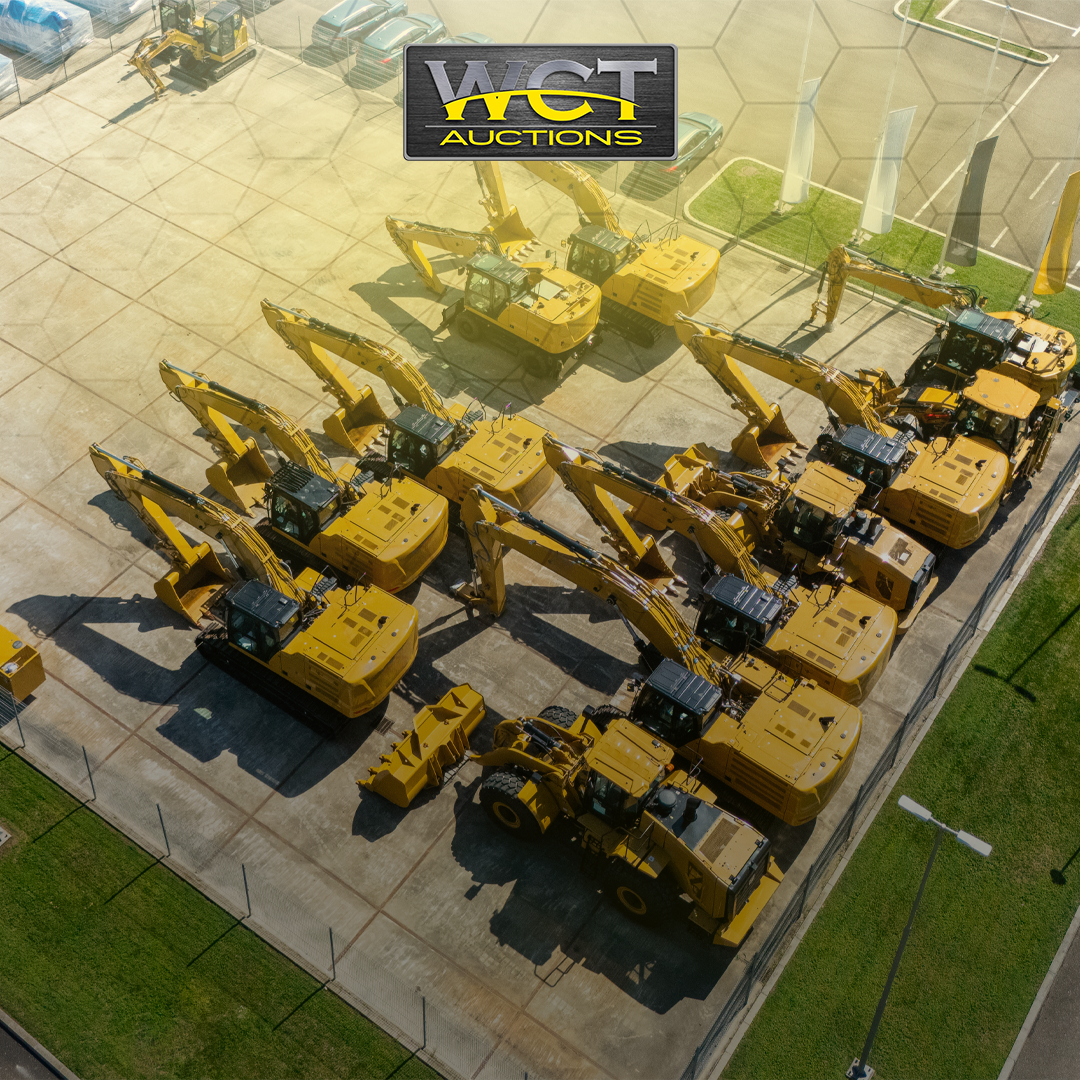
Asset Disposal for Civil Contractors through Timed Online Auctions
In civil contracting, every completed project leaves behind more than a handover file and a cleared site. It often leaves a trail of underutilised assets too: earthmoving equipment no longer assigned to active work, site support units standing idle, trucks with reduced deployment value, generators no longer needed on remote jobs, and mixed plant that made sense for one contract but no longer fits the next.
For many civil contractors, this is where an important commercial question starts to take shape: what should happen to the equipment, vehicles, and support assets that are no longer central to the next phase of the business?
Too often, the answer is delay.
Assets sit in the yard “for now.” A machine that might be useful one day is held indefinitely. Older support units remain on the books because there is no immediate pressure to move them. Project-specific equipment that no longer matches current workloads is retained out of habit rather than strategy.
Over time, storage, maintenance, administration, depreciation, and opportunity costs begin to build.
This is why asset disposal should not be treated as an afterthought once a project ends. For civil contractors, completed projects can and should become moments of capital recovery. When handled strategically, post-project disposal is not a sign of contraction or distress. It is part of disciplined fleet and plant management.
Auction plays an important role in that process.
For civil contractors looking to convert completed work into released capital, clear space, and rebalance their asset mix, auction offers a structured route to market for surplus equipment, vehicles, and site support assets. It allows businesses to move non-core or underutilised assets efficiently while connecting them with an active pool of buyers already looking for commercial and industrial equipment.
This is where WCT Auctions becomes a valuable disposal partner.
Why project completion is a natural disposal trigger
Civil contractors work in cycles. Equipment demand is rarely static.
It moves with:
-
project awards
-
contract values
-
site conditions
-
earthworks requirements
-
infrastructure phases
-
subcontracting needs
-
access to specialist plant
-
mobilisation and demobilisation timing
A contractor may acquire or allocate additional equipment to meet the demands of a major roadworks package, a pipeline development, a municipal infrastructure contract, a bulk earthworks phase, or a civils-heavy site preparation job. During delivery, that plant is productive and justified. But once the contract closes out, not every asset still holds the same operational relevance.
Some units may be:
-
no longer needed at all
-
duplicated elsewhere in the fleet
-
too specialised for the upcoming work
-
too costly to keep relative to their future use
-
approaching an age or usage profile where disposal makes more sense than retention
-
underutilised because the next project mix has shifted
This is why project completion is one of the clearest moments to assess the fleet and ask a practical question: which assets should stay in the business, and which should be converted back into capital?
That process can include:
-
excavators
-
TLBs
-
wheel loaders
-
graders
-
rollers
-
water carts
-
site vehicles
-
trucks and trailers
-
generators
-
compressors
-
workshop equipment
-
containers
-
fuel bowsers
-
support equipment and miscellaneous site assets
Rather than seeing demobilisation as the end of a project only, civil contractors can use it as a decision point for asset rationalisation.
The hidden cost of keeping surplus assets too long
One of the biggest reasons post-project disposal gets delayed is that idle equipment does not always feel urgent. If an asset is owned outright and not causing an obvious operational problem, it can be easy to justify keeping it. But the cost of holding surplus plant and fleet is often higher than it first appears.
An unused or lightly used asset still carries a cost burden.
This may include:
-
storage and yard space
-
basic maintenance to preserve the condition
-
battery, tyre, hydraulic, and component deterioration over time
-
insurance considerations
-
administration and record-keeping
-
workshop attention that could be directed elsewhere
-
declining market appeal as age and hours increase
-
tied-up capital that cannot be deployed into more productive areas
In some cases, the cost is not just financial. Surplus assets can also create operational clutter. They take up space, complicate fleet oversight, and muddy decision-making around what is actually active, needed, and worth retaining.
For civil contractors running lean and trying to allocate capital carefully between tenders, projects, staffing, procurement, maintenance, and compliance, this matters.
Holding an asset for too long can slowly erode its resale strength while also delaying the release of funds that could support:
-
replacement equipment
-
contract mobilisation
-
maintenance on core fleet
-
debt reduction
-
working capital
-
strategic reinvestment
That is why disposal timing matters. Selling after project completion, when the asset still has market relevance and presentable condition, can often be a stronger strategy than waiting until the equipment has become more difficult to place.
Capital recovery is not the same as simply “selling off equipment”
There is an important mindset shift here.
Many businesses still think about disposal in narrow terms. Equipment is sold because it is old, broken, unwanted, or no longer usable. But for civil contractors, the more strategic view is this: disposal is part of capital management.
Capital recovery means recognising when value can be released from assets that no longer serve the business as effectively as they once did.
That does not only apply to end-of-life assets. In fact, some of the best disposal candidates are still usable, marketable, and commercially attractive. They simply no longer belong in the most efficient version of the fleet.
Examples include:
-
a roller purchased for a project type not currently in the pipeline
-
support vehicles that were essential on one site but are now underdeployed
-
duplicated earthmoving capacity after subcontracting requirements change
-
higher-hour units the business would rather rotate out before they become harder to sell
-
mixed plant acquired to meet short-term site pressure that no longer justifies retention
In these cases, selling is not a sign of weakness. It is evidence of operational discipline.
For civil contractors, the best fleets are not always the largest fleets. They are the fleets that align with the work ahead.
Why selling equipment on auction makes sense for civil contractors
When civil contractors decide to dispose of post-project assets, they have several possible routes available to them. They may try private sales, dealer trade-ins, direct off-market deals, referrals through existing contacts, or informal yard-based selling. Each option has its place. But for many contractors dealing with commercial assets, auction offers several distinct advantages.
Access to a ready buying market
One of the main strengths of an auction is that it places equipment in front of buyers who are already actively looking for commercial vehicles, machinery, plant, and site support assets. That buyer pool may include:
-
smaller contractors
-
plant hire businesses
-
fleet operators
-
agricultural buyers
-
logistics businesses
-
owner-operators
-
regional businesses
-
resellers
-
operators looking for practical secondary equipment
Rather than relying on a narrow network or waiting for the “right buyer” to appear privately, an auction creates broader market exposure.
Efficient disposal of mixed asset groups
Civil contractors rarely need to dispose of just one neat category at a time. A completed project may leave behind a mixed group of assets:
-
a truck
-
a trailer
-
a few site vehicles
-
a generator
-
a roller
-
workshop items
-
support equipment
-
yellow metal
-
containers or temporary infrastructure items
An auction is often well-suited to this kind of mixed commercial disposal. It provides one channel through which a contractor can move multiple asset types in a structured way, rather than trying to match each item to a different buyer individually.
Speed and momentum
Once a decision to sell has been made, delay can reduce value. An auction creates a defined selling process with timelines, visibility, and buyer attention concentrated around an event. That momentum can be especially useful for businesses looking to:
-
clear space quickly
-
release capital into the next project cycle
-
avoid ongoing holding costs
-
streamline post-project close-out
Transparent market participation
An auction also allows the market to engage with the asset in a visible, competitive setting. For many businesses, that is preferable to long negotiation cycles or fragmented private sale discussions that consume time and produce uncertain outcomes.
Suitable for commercial and industrial asset environments
Civil contracting assets are rarely “lifestyle” items. They are work tools. Buyers approach them with practical intent. Auction environments are often well aligned with this kind of commercial purchasing behaviour, especially when buyers are accustomed to evaluating condition, usage, suitability, and replacement value.
Which civil contracting assets are often good candidates for auction?
Every business is different, but post-project auction disposal can be especially relevant for assets such as:
Earthmoving and construction plant
-
excavators
-
TLBs
-
wheel loaders
-
skid steers
-
graders
-
rollers
-
compactors
-
water carts
-
telehandlers where applicable
These units may become surplus after a project phase ends, a contract type changes, or the contractor decides to rationalise fleet composition.
Trucks and transport-related assets
-
tippers
-
flatbeds
-
site support trucks
-
service trucks
-
trailers
-
lowbeds or general support trailers, depending on the business
Transport assets often remain in fleets longer than necessary because they are seen as generally useful. But if utilisation has dropped, they may be better converted into capital.
Site support equipment
-
generators
-
compressors
-
fuel bowsers
-
containers
-
workshop tools
-
site offices or related movable support infrastructure
-
smaller equipment attached to project delivery
These assets are easy to overlook because they may not appear as central as major plant, but they still represent tied-up value.
Fleet and operational vehicles
-
bakkies
-
LDVs
-
utility vehicles
-
site supervisors’ vehicles
-
older support fleet
Once projects wind down or operating structures shift, these units may become obvious disposal candidates.
Redundant or duplicated units
Where a business has accumulated overlapping capabilities across multiple projects or expansion phases, certain units may simply no longer need to be retained.
The key is not whether the asset still works. The key is whether it still earns its place in the fleet.
Why civil contractors often delay disposal decisions
Despite the benefits, many businesses still postpone disposal. In practice, this usually comes down to a few common reasons.
“We may need it again”
This is one of the most common justifications. And sometimes it is valid. But often the real question is not whether the asset could be used again someday. It is whether it is likely to be productively used within a realistic business horizon.
A “just in case” asset can become an expensive long-term hold.
“We don’t have time to deal with selling it”
This is understandable. Project close-out periods are busy. Teams are dealing with final accounts, plant returns, reporting, admin, retention issues, staff movement, and mobilisation planning for what comes next. Disposal can slip down the list.
That is precisely why a structured auction process has value. It gives contractors a clearer path rather than leaving them to manage every sale manually.
“We’ll get around to it later”
Later often means:
-
more depreciation
-
lower buyer appeal
-
higher storage costs
-
less urgency
-
another quarter of inactivity
In many cases, later is simply less efficient.
“It still has some life left”
That may be exactly why it should be sold now. Marketable, usable assets are often stronger candidates for capital recovery than units that have already become tired, neglected, or commercially weak.
Signs it may be time to dispose of post-project assets
Civil contractors do not need a crisis to justify asset disposal. In fact, the best disposal decisions are often made before pressure sets in.
It may be time to consider auction disposal when:
-
a project has ended and certain assets are no longer allocated
-
the next confirmed workstream does not require the same fleet mix
-
equipment is standing idle for extended periods
-
the business is holding duplicate capability
-
older units are still saleable but no longer strategically important
-
site support assets are sitting unused in the yard
-
the company wants to reduce overhead tied to low-use equipment
-
upcoming contracts require capital for mobilisation or fleet adjustment
-
management wants a cleaner, more focused asset base
These are not warning signs of trouble. They are signals that the business may be entering a good decision window for rationalisation.
Why disposal after project completion can strengthen the business
A disciplined disposal strategy can support the business in several ways.
Improved cash flow flexibility
Released capital can be redirected into:
-
tender mobilisation
-
core fleet maintenance
-
deposit requirements
-
debt servicing
-
payroll support during transition periods
-
procurement of better-fit equipment
-
broader operating liquidity
A more focused fleet
Not every retained asset contributes equally. Disposal helps a contractor concentrate attention and spend on the assets that most directly support active work.
Reduced overhead
Surplus units generate drag. Removing them simplifies storage, maintenance planning, insurance exposure, workshop load, and fleet administration.
Better replacement timing
If older or underused units are sold while still commercially attractive, the business has more flexibility around how and when it reinvests.
Stronger operational discipline
Businesses that regularly review and rebalance their assets after project milestones often make better long-term fleet decisions than those that simply accumulate equipment over time.
Preparing civil contracting assets for auction
A successful disposal process starts before the listing goes live. Contractors can improve the quality of the sale process by preparing assets properly.
This does not mean overinvesting in cosmetic upgrades. It means presenting equipment honestly, clearly, and professionally.
Preparation may include:
-
identifying which assets are genuinely surplus
-
gathering registration or ownership documents, where applicable
-
confirming serial numbers and asset details
-
reviewing service records if available
-
cleaning equipment and removing unnecessary clutter
-
ensuring asset descriptions are accurate
-
noting known faults or condition considerations
-
checking whether the assets should be sold individually or as part of a grouped disposal strategy
For contractors selling a mixed asset group, internal preparation is especially important. Clarity around what is being sold, where it is located, and what category it fits into makes the process far smoother.
This is one reason experienced auction support matters. Structured disposal is not only about getting assets online. It is about positioning them correctly for the market.
Why WCT Auctions is a valuable partner for civil contractors
For civil contractors, an auction is not just about listing equipment. It is about choosing a disposal partner that understands commercial assets, project-driven industries, and the practical realities of plant and fleet turnover.
WCT Auctions is well-positioned for this kind of disposal environment because civil contractors are not typically selling one-off consumer items. They are selling business assets that need to be marketed within a commercial framework.
That means understanding:
-
mixed plant and fleet categories
-
operational buyers
-
the value of market visibility
-
the disposal needs that arise after contract completion
-
the difference between core assets and surplus assets
-
the need for a more structured route to market
For a civil contractor, the right disposal channel is one that helps turn underutilised equipment into a real commercial opportunity.
That could mean:
-
moving yellow metal that no longer suits upcoming work
-
disposing of support assets after a major infrastructure package ends
-
reducing surplus fleet built up during a heavy delivery cycle
-
releasing capital from site equipment that no longer contributes meaningfully to the business
Auction provides that channel, and WCT provides the structure around it.
Disposal should be part of project close-out thinking
Many contractors treat plant and fleet decisions separately from project completion. But in reality, the two are closely connected.
A completed project changes the business’s asset needs. It is one of the clearest points at which leadership should evaluate:
-
what remains useful
-
what becomes surplus
-
what should be retained for upcoming work
-
what should be sold while marketable
-
what capital can be released without weakening operational readiness
This is not just about getting assets off the books. It is about using project completion as a strategic review point.
For civil contractors, the end of a contract can become the beginning of smarter capital deployment.
Final thoughts
In civil construction, equipment decisions should follow work realities, not habit.
When projects conclude, contractors have an opportunity to reassess their plant, fleet, and support assets with fresh commercial logic. What was essential during delivery may no longer deserve to sit idle afterwards. And what is no longer aligned to future work may still hold meaningful market value today.
That is why asset disposal deserves to be treated as part of disciplined business management, not an administrative clean-up exercise.
Auction offers civil contractors a practical route to recover value from surplus equipment, support fleet rationalisation, reduce idle asset drag, and redirect capital into the next phase of the business.
For contractors looking to turn completed projects into capital recovery, WCT Auctions provides a structured and commercially relevant disposal channel.
Submit your equipment details to us, so you can start turning your assets into capital.