Trailer Auctions for Transport and Logistics Operators
4th Sep, 2026
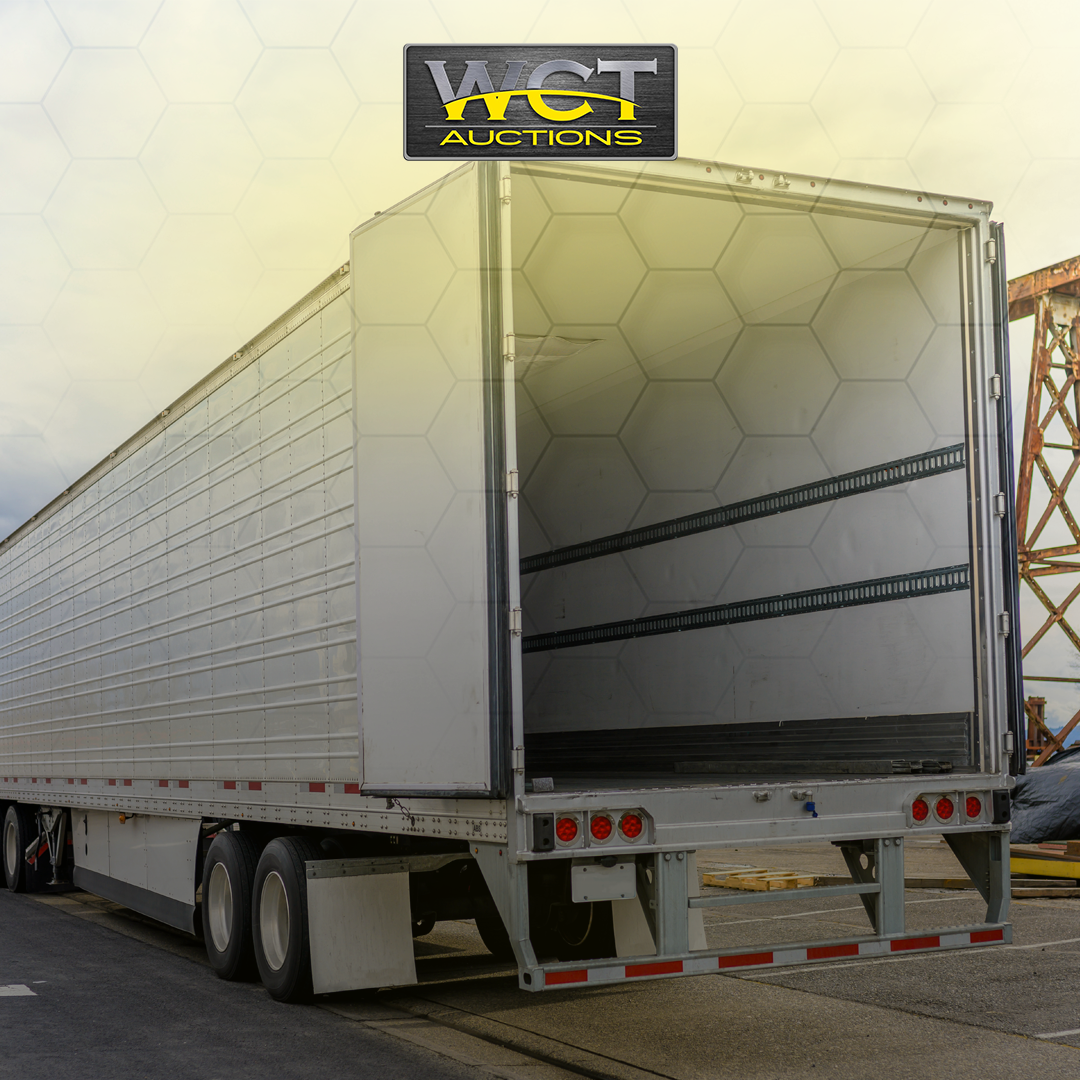
What Buyers Should Know
Transport and logistics businesses do not buy trailers casually.
They buy them to carry specific loads, support routes, service contracts, improve fleet capacity, and keep trucks productive.
For fleet owners, transport operators, logistics companies, and commercial buyers, the question is not only “Is there a trailer available?” The better question is, “Does this trailer fit the work our business needs it to do?”
That is where trailer auctions in South Africa can become a practical sourcing channel.
A trailer auction gives business buyers access to available trailer lots through a structured process. Instead of searching through scattered listings or relying solely on private enquiries, buyers can view available lots, compare trailer types, review the information provided, and decide whether a specific trailer fits their operational requirements.
At WCT Auctions, trailer auctions are held via timed online auctions. Buyers can view available trailer lots online, review photos and descriptions, register to bid, and participate within a defined auction period.
For prepared buyers, this creates a practical way to source used trailers, commercial trailer assets, and truck-and-trailer opportunities for real business needs.
Why Businesses Use Trailer Auctions for Fleet Capacity
Trailer capacity plays a direct role in how transport and logistics businesses operate.
A truck may be available, but if the right trailer is not available, the vehicle cannot always be used productively. The trailer must suit the load, the route, the client's requirements,s and the operating environment.
This is why businesses may use trailer auctions when they need to:
-
Replace ageing or damaged trailers;
-
Add capacity for a new route or contract;
-
Source a specific trailer type;
-
Support seasonal or project-based demand;
-
Match trailers to existing truck tractors or fleet vehicles;
-
Expand fleet flexibility without only relying on new purchases;
-
Compare multiple trailer options through one auction environment.
For transport operators, trailer auctions are not only about finding available assets. They are about finding assets that can support the work already moving through the business.
A trailer that suits the right load and route can help improve utilisation across the fleet. A trailer that does not suit the work can create delays, loading problems, maintenance issues and unnecessary operating costs.
That is why the buying decision should start with the business requirement.
When Trailer Auctions Make Sense for Business Buyers
Trailer auctions make the most sense when the buyer has a clear operational need.
A logistics company may need additional tautliner or curtain-side capacity. A construction operator may need a side tipper, flatbed or lowbed. A transport company may need semi-trailers to support truck tractors already in the fleet. A farming business may need trailers for seasonal movement of materials or produce.
In each case, the buyer is not simply looking for any trailer. They are looking for a trailer that can perform a specific role.
Trailer auctions may be especially relevant when:
-
The business needs a trailer for a route, site, contract or project;
-
The buyer understands the trailer type required;
-
The company wants to compare available trailer options before bidding;
-
The buyer is open to used trailer auction opportunities;
-
The trailer can be matched to an existing truck or fleet requirement;
-
The buyer has planned for auction terms, VAT, buyer’s premium and collection;
-
The business wants access to commercial trailer auctions through a defined online bidding process.
The strongest auction buyers are usually not the ones who bid because a trailer looks available. They are the ones who understand what the trailer must do for the business before they enter the auction.
Common Trailer Types Buyers May Find at Auction
The types of trailers available will depend on the specific auction and listed lots, but trailer auctions may include a range of commercial trailer assets.
These may include:
-
flatbed trailers;
-
dropside trailers;
-
side tippers;
-
rear tippers;
-
lowbeds;
-
curtain-side trailers;
-
tautliners;
-
refrigerated trailers;
-
skeletal trailers;
-
tanker trailers;
-
utility or support trailers;
-
semi-trailers;
-
drawbar trailers;
-
trailers used with truck tractors;
-
Trailers used for construction, agricultural, mining or industrial support.
For business buyers, the trailer category matters because each trailer type serves a different commercial purpose.
-
A flatbed may be useful for materials, machinery, steel or mixed loads.
-
A side tipper may suit bulk materials, aggregates, construction work or mining support. A lowbed may be relevant for moving plant, equipment or heavy machinery.
-
A tautliner or curtain-side trailer may suit logistics and distribution where loading access and cargo protection matter.
-
A refrigerated trailer may be required for cold-chain transport.
-
A skeletal trailer may be used for container movement.
The auction opportunity is only valuable if the trailer matches the load, route and business use.
A trailer that works well in one operation may not suit another. That is why buyers should avoid comparing trailers by price alone. The more important question is whether the asset fits the work it needs to perform.
Match the Trailer to the Load and Route
A good trailer buying decision starts with the application.
Before bidding, buyers should be clear on what the trailer needs to carry, where it will operate, and how it will be used inside the fleet.
Buyers should consider:
-
the type of load the trailer will carry;
-
payload requirements;
-
route distance;
-
road conditions;
-
loading and unloading process;
-
site access;
-
turning space and manoeuvrability;
-
whether the trailer will be used locally, long-distance or across mixed routes;
-
whether it needs to support construction, mining, agricultural, industrial or logistics work;
-
compatibility with the truck or truck tractor;
-
Whether the trailer supports current or future contracts.
This is especially important for transport and logistics operators because trailer needs can change as contracts change.
A business may have enough trucks, but not enough of the right trailer type. A route may require different loading access. A client may require a specific configuration. A project may need a trailer that can handle heavier or more difficult loads.
Buying the wrong trailer can create operational problems even if the trailer looks attractive at auction.
The right trailer is the one that can support the work reliably, safely and practically after purchase.
Trailer Condition Checks Before Bidding
Buying a used trailer at auction should still involve proper assessment.
A trailer does not have to be new or perfect to be useful, but buyers should understand its condition before placing a bid. The condition of the trailer can affect road readiness, future maintenance, operating safety and the total cost of putting the asset to work.
Before bidding, buyers should review as much available information as possible.
Important trailer condition checks may include:
-
chassis and frame condition;
-
suspension;
-
axles;
-
brakes;
-
tyres;
-
lights and electrical systems;
-
coupling components;
-
kingpin condition where relevant;
-
landing legs;
-
deck condition;
-
body condition;
-
side panels;
-
curtain systems where applicable;
-
doors and locking mechanisms;
-
tipping mechanisms where applicable;
-
hydraulic systems where applicable;
-
refrigeration unit where applicable;
-
rust, cracks or structural wear;
-
signs of heavy use;
-
evidence of previous repairs;
-
General wear in relation to the trailer’s intended use.
The assessment should go beyond appearance.
A trailer may look presentable in photos, but still requires work before it can be used. Another trailer may show visible wear but still be suitable for a buyer who understands the required repairs and has the right application for it.
Buyers should also consider whether they have access to workshop support, parts, transport, and preparation after purchase.
The goal is not to find a trailer with no wear. Used trailers have worked. The goal is to understand whether the condition is acceptable for the intended use and budget.
Documentation and Compliance Details to Review
Documentation matters when buying trailers for commercial use.
Before bidding, buyers should review the available paperwork and understand what will be required after purchase. Documentation can affect licensing, roadworthiness, insurance, collection, and how quickly the trailer can be put into operation.
Important details may include:
-
registration papers;
-
licensing status;
-
VIN or chassis details;
-
NATIS documents where relevant;
-
roadworthy considerations;
-
ownership details where applicable;
-
finance status where applicable;
-
VAT;
-
buyer’s premium;
-
auction terms;
-
asset location;
-
collection requirements;
-
service or maintenance records where available;
-
Any condition notes provided by the seller or auctioneer.
Not every trailer lot will have the same level of documentation or history available. Buyers should work with the information provided and ask relevant questions where possible.
For business buyers, documentation is not just admin. It affects whether the asset can be brought into the fleet, transported legally, insured properly and used within the required timeframe.
A trailer may suit the load and route, but if documentation or collection requirements are not understood early, the purchase can become more complicated than expected.
How WCT Timed Online Trailer Auctions Work
WCT Auctions runs timed online auctions.
Unlike a traditional live auction, a timed online auction runs over a set period. Buyers can view listed lots, review the available information and place bids online before the auction closes.
This format gives buyers time to prepare.
A typical buyer journey may look like this:
-
Review photos, descriptions and available asset information.
-
Check auction terms and buyer requirements.
-
Arrange viewing or inspection where applicable.
-
Register to bid.
-
Set a maximum bidding limit.
-
Place bids online during the auction period.
-
Follow the payment and collection process if successful.
For business buyers, this structure is useful because trailer buying is rarely a casual decision.
A fleet manager may need to assess suitability. An operations manager may need to confirm whether the trailer suits the route or contract. A finance manager may need to account for VAT, buyer’s premium, transport and any preparation costs after purchase.
Timed online auctions allow buyers to review, compare and prepare before bidding activity builds.
If your business is actively looking for trailer auction opportunities in South Africa, visit WCT Auctions to view upcoming trailer lots and complete your bidder registration before the auction closing period.
Truck and Trailer Auctions Can Support Broader Fleet Planning
Trailer auctions often form part of a broader commercial vehicle auction environment.
For many transport and logistics businesses, trailers are not bought in isolation. They need to work with truck tractors, rigid vehicles, fleet support assets, loading requirements and operational planning.
A buyer may be sourcing a trailer to match an existing truck tractor. Another buyer may be looking at truck and trailer auctions together to support a new contract. A construction company may need a truck, trailer and support equipment. A mining contractor may need trailers as part of broader site logistics.
This is where commercial vehicle auctions can support broader fleet planning.
Depending on the auction, buyers may be able to review trailer lots alongside trucks, bakkies, fleet vehicles, plant transport assets and other commercial stock. This helps buyers think beyond a single asset and consider how the trailer fits the wider operation.
For example:
-
A transport operator may need truck tractors and semi-trailers;
-
A construction company may need tippers, flatbeds or lowbeds;
-
A logistics company may need tautliners, curtain-side trailers or refrigerated trailers;
-
A mining or industrial operator may need trailers for site support or equipment movement;
-
A reseller may monitor auction lots for commercial trailer opportunities.
Trailer auctions can therefore support both immediate buying needs and longer-term fleet planning.
What Buyers Should Avoid When Bidding on Trailers
Trailer auctions can create useful sourcing opportunities, but buyers should still avoid common mistakes.
One of the biggest mistakes is bidding because the trailer is available, without confirming whether it suits the business need.
A trailer may look like a good opportunity, but if it does not suit the load, route, truck combination or operating environment, it may not be the right purchase.
Buyers should avoid:
-
Bidding without a clear intended use;
-
Focusing only on the bid amount;
-
Ignoring trailer condition;
-
Overlooking chassis, suspension, brakes or tyre concerns;
-
Assuming every trailer type suits every load;
-
Failing to check available documentation;
-
Not considering VAT and buyer’s premium;
-
Not planning for transport or collection;
-
Overlooking repairs or preparation costs after purchase;
-
Ignoring truck and trailer compatibility;
-
Waiting too long to register;
-
Bidding without setting a maximum limit.
Responsible auction buying starts with preparation.
The more clearly the buyer understands the trailer, the auction terms and the business need, the stronger the decision is likely to be.
How WCT Auctions Helps Buyers Move from Interest to Bidding
WCT Auctions helps buyers move from interest to action through a structured, timed online auction process.
Buyers can visit the WCT Auctions website to view upcoming auctions, review available lots, and understand what commercial assets are coming to market. Once a buyer identifies a relevant trailer or commercial vehicle, the next step is to review the available information and register to bid.
A practical buyer journey may include:
-
Viewing upcoming auctions.
-
Finding relevant trailer lots.
-
Reviewing photos, descriptions and auction terms.
-
Checking whether viewing or inspection is available.
-
Completing bidder registration.
-
Setting a bidding limit.
-
Participating in the timed online auction.
This keeps the buying process structured.
The buyer is not simply reacting to a listing. They are moving through a clear decision-making process before bidding.
For transport and logistics buyers, that structure matters. Trailer purchases affect load capacity, fleet utilisation, route planning, and contract delivery. A clear buying process helps buyers act with more confidence when the right lot becomes available.
Final Thoughts
Trailer auctions in South Africa can be a practical sourcing channel for transport operators, logistics companies, fleet owners, and commercial buyers who need used trailers for real operational purposes.
The strongest buying decisions are made when the buyer understands the role the trailer needs to play. That means assessing the trailer type, condition, documentation, auction terms, truck compatibility, collection requirements, and full cost before bidding.
Timed online auctions give buyers a structured way to view trailer lots, compare options, prepare internally, and bid within a defined auction period.
At WCT Auctions, buyers can view upcoming trailer auction lots, review commercial vehicle opportunities and register to bid online.
If your business is looking for trailer auction opportunities in South Africa, view upcoming trailer lots with WCT Auctions and register to bid before the auction closes.