Mining Equipment Auctions for Contractors & Equipment Buyers
29th Oct, 2026
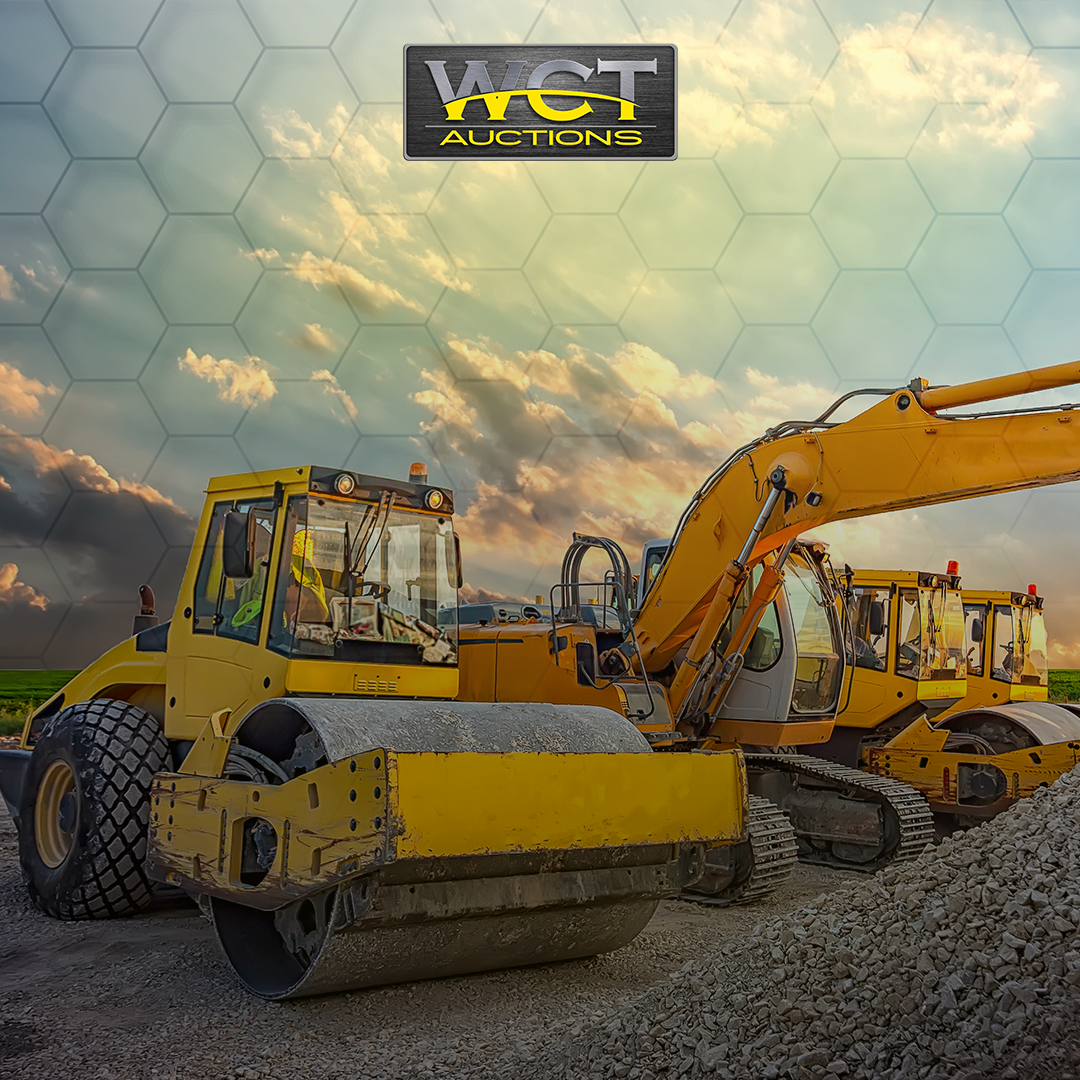
Mining equipment is bought to work.
For mining contractors, operators, site managers and equipment buyers, a machine is rarely a casual purchase. It may need to support production, material movement, loading, hauling, excavation, site access, maintenance work or project timelines.
The right equipment can help a site keep moving. The wrong equipment can create delays, transport complications, repair costs, and operational pressure.
That is why buying mining equipment should start with a practical question:
What does this machine need to do for the operation?
Mining equipment auctions can give buyers access to used mining-related assets through a structured auction process. Instead of relying only on new equipment purchases, private enquiries or limited supplier availability, buyers can review available auction lots, compare equipment types and decide whether a specific asset suits the work required.
At WCT Auctions, mining equipment auctions are held through timed online auctions. Buyers can view available equipment lots, review photos and descriptions, register to bid and participate online within a defined auction period.
For prepared contractors, operators, and equipment buyers, this creates a practical way to source used mining equipment, yellow metal, and support assets for real operational needs.
Why Buyers Use Mining Equipment Auctions
Mining contractors and operators may use auctions when they need access to equipment that can support current or future site requirements.
A contractor may need a loader for material handling, a tipper truck for haulage, an excavator for earthmoving or a support vehicle for site operations. A mining support business may need equipment for a new contract, a replacement unit or additional capacity during a busy project period.
Mining equipment auctions may be useful when buyers need to:
-
source operational equipment;
-
replace ageing or unavailable machines;
-
support a new contract or site;
-
add capacity for a project;
-
compare used mining equipment opportunities;
-
source yellow metal or mining support equipment;
-
review different asset types in one auction environment;
-
reduce reliance on only new equipment purchases.
The value of an auction is not only that equipment becomes available. The value is in being able to review available lots through a defined process, assess whether the asset matches the operation, and prepare before bidding.
The strongest buyers are usually not the ones who bid because a machine looks available. They are the ones who understand what the equipment must do for the site before entering the auction.
Mining Equipment Auctions Are About Operational Fit
Mining equipment auctions should be approached with operational fit in mind.
A machine may be available at auction, but that does not automatically mean it is the right asset for a contractor, operator or site. Mining-related equipment often works in demanding environments, so buyers need to assess whether the machine suits the application, terrain, workload and project requirements.
Before bidding, buyers should consider:
-
the site conditions where the equipment will be used;
-
the intended application;
-
whether the machine will support production or site services;
-
loading, digging, hauling, lifting or grading requirements;
-
terrain and access conditions;
-
fuel and maintenance access;
-
operator requirements;
-
parts and workshop support;
-
project timeline;
-
whether the equipment supports the contract or operational need.
For example, a loader used for stockpile handling has a different role from an excavator used for trenching or earthmoving. A tipper truck used on site has different requirements from a road-going support vehicle. A generator or compressor may support site operations, but still needs to be assessed according to capacity, condition and practical use.
Buying because the asset is available is not enough.
The right mining equipment is the equipment that can support the work reliably, safely and practically after purchase.
Types of Mining Equipment Buyers May Find at Auction
The types of equipment available will depend on the specific auction and listed lots.
Depending on available auction stock, mining equipment auctions may include:
-
yellow metal equipment;
-
loaders;
-
excavators;
-
graders;
-
dozers;
-
TLBs;
-
articulated dump trucks;
-
tipper trucks;
-
water trucks;
-
service trucks;
-
compressors;
-
generators;
-
trailers;
-
mining support vehicles;
-
plant transport equipment;
-
attachments and accessories.
These assets may also overlap with broader yellow metal auctions and machinery auctions in South Africa, depending on the equipment category and auction listing.
For buyers, the equipment category matters because each asset serves a different operational purpose.
A loader may support stockpile, loading, or material handling work.
-
An excavator may support digging, trenching or earthmoving.
-
A grader may be needed for road maintenance or site preparation.
-
A dozer may support pushing, clearing or heavy earthmoving.
-
A water truck may support dust suppression or site operations.
-
A generator or compressor may support power or equipment requirements on site.
Availability changes from auction to auction, so buyers should review current equipment lots and assess whether the listed assets match their requirements.
Reviewing Lot Details Before Bidding
Mining equipment buyers should review lot details carefully before bidding.
Auction lot information helps buyers understand what is being offered, where the asset is located and what practical requirements may apply after purchase.
Before bidding, buyers should review available details such as:
-
make and model;
-
year where available;
-
hours where relevant;
-
serial number or asset identification;
-
condition notes;
-
photos;
-
included attachments;
-
asset location;
-
available documents;
-
VAT;
-
buyer’s premium;
-
auction terms;
-
viewing or inspection availability;
-
collection requirements.
Lot details should be used as part of the buying decision, not as a formality.
A buyer may need to confirm whether the asset suits the site, whether transport is practical, whether documents are available and whether the machine may need repairs or preparation before use.
Not every lot will have the same level of information available. Buyers should work with the information provided, ask relevant questions where possible and arrange viewing or inspection where applicable.
Condition Checks for Used Mining Equipment
Used mining equipment has usually worked in demanding environments.
That does not automatically make it unsuitable. However, buyers should understand the condition before placing a bid.
Condition can affect operating safety, repair costs, transport planning, downtime and how quickly the equipment can be put back into service.
Depending on the asset, buyers should consider:
-
engine condition where known;
-
hydraulic systems;
-
undercarriage;
-
tyres or tracks;
-
bucket, blade or attachment wear;
-
pins and bushes;
-
transmission;
-
brakes;
-
steering;
-
electrical systems;
-
frame or chassis;
-
leaks;
-
visible damage;
-
service history where available;
-
whether the machine starts or runs;
-
signs of heavy site use.
A machine does not need to be perfect to be useful. Some buyers may be prepared to carry out repairs or refurbishment if the equipment type suits the application.
The important point is that the buyer understands what may be required after purchase.
A machine that appears affordable at auction may still need transport, servicing, tyres, hydraulic work, undercarriage attention, attachments or other preparation before it can be used on site. Buyers should factor these costs into their bidding limit.
Planning Transport and Collection
Transport planning is one of the most important parts of buying mining equipment at auction.
Mining equipment can be large, heavy or difficult to move. Some assets may require lowbed transport, abnormal load planning, permits, loading assistance or site-specific access arrangements.
Buyers should think about transport before bidding, not only after winning.
Important transport and collection considerations include:
-
equipment size and weight;
-
whether a lowbed is required;
-
whether abnormal transport permits may be needed;
-
asset location;
-
site access;
-
loading requirements;
-
whether the machine starts and moves;
-
whether loading assistance is available;
-
collection deadlines;
-
transport cost;
-
coordination with WCT Auctions and site contacts where applicable.
Transport can affect the total cost of the purchase.
For example, a machine located far from the buyer’s site may still be useful, but the transport cost must make commercial sense. A non-running machine may need additional recovery or loading support. A large piece of yellow metal may require specialist transport planning.
Prepared buyers include transport and collection planning in their auction decision from the start.
Understanding Auction Requirements
Mining equipment auctions are structured processes, and buyers should understand the requirements before bidding.
Auction participation is not only about choosing an asset and placing a bid. Buyers may need to register, provide required information, review auction terms, and understand payment and collection obligations.
Before participating, buyers should check:
-
registration requirements;
-
bidder approval steps;
-
deposit requirements where applicable;
-
buyer documents required;
-
auction terms and conditions;
-
VAT;
-
buyer’s premium;
-
payment deadlines;
-
collection deadlines;
-
inspection or viewing terms;
-
condition terms;
-
whether a maximum bidding limit has been set.
These details matter because they affect how the buyer prepares financially and operationally.
For contractors and operators, timing can also be important. A machine may be needed for a site or project by a certain date, but payment, collection, transport, and preparation must still be planned.
Buyers should register early and understand the auction process before bidding activity builds.
How WCT Timed Online Mining Equipment Auctions Work
WCT Auctions runs timed online auctions.
Unlike a traditional live auction, a timed online auction runs over a defined period. Buyers can view listed lots, review the available information, and place bids online before the auction closes.
For mining equipment buyers, this format provides time to prepare.
A typical buyer journey may look like this:
-
View upcoming equipment lots.
-
Review photos, descriptions, and available asset information.
-
Check auction terms and buyer requirements.
-
Arrange viewing or inspection where applicable.
-
Register to bid.
-
Set a maximum bidding limit.
-
Place bids online during the auction period.
-
Plan payment and collection if successful.
This structure is useful because mining equipment buying is rarely a quick decision.
An operations manager may need to confirm the equipment application. A site manager may need to check whether the machine suits the terrain or workload. A mechanic or workshop team may need to assess likely repairs. A finance manager may need to account for VAT, buyer’s premium, transport and preparation costs.
Timed online auctions give buyers a structured way to review, compare and prepare before placing bids.
Common Mistakes Buyers Should Avoid
Mining equipment auctions can create useful sourcing opportunities, but buyers should avoid common mistakes that can weaken the buying decision.
One of the biggest mistakes is bidding because the asset is available, without confirming whether it suits the site or application.
Buyers should avoid:
-
bidding without a clear equipment requirement;
-
not matching the machine to the application;
-
ignoring condition details;
-
not checking hours where available;
-
overlooking transport costs;
-
forgetting VAT and buyer’s premium;
-
not checking collection requirements;
-
registering too late;
-
bidding without a maximum limit;
-
assuming the asset is ready for immediate site use;
-
not planning repairs, servicing or preparation;
-
overlooking parts or workshop support;
-
failing to consider whether the machine suits the contract.
Responsible auction buying starts with preparation.
The more clearly a buyer understands the equipment, auction terms, transport requirements and operational need, the stronger the decision is likely to be.
How Mining Equipment Auctions Can Support Contractors and Operators
Mining equipment auctions can support contractors, operators and equipment buyers when the assets are chosen carefully.
The right equipment can help a business support new contracts, replace unavailable machines, add capacity, reduce operational delays or improve site flexibility.
Auction participation may help buyers access used machinery opportunities that support:
-
contract work;
-
site operations;
-
material movement;
-
loading or hauling;
-
excavation;
-
road maintenance;
-
dust suppression;
-
equipment transport;
-
temporary project needs;
-
fleet flexibility;
-
replacement planning.
For mining contractors, equipment availability can directly affect project delivery. If a machine is unavailable, unsuitable or too costly to replace through new channels, used mining equipment auctions may provide another sourcing route.
However, the buying decision still needs to be grounded in practical assessment.
The equipment must suit the work, the site, the transport plan and the buyer’s budget after all auction-related and post-purchase costs are considered.
Mining Equipment Auctions in South Africa: Practical Buyer Considerations
Mining equipment auctions in South Africa can be relevant to a range of buyers, including mining contractors, operators, plant hire businesses, construction companies, civil contractors, industrial businesses and resellers.
Some buyers may be looking for yellow metal equipment. Others may need mining support vehicles, plant transport equipment, generators, compressors or attachments.
The common factor is that the equipment must support real operational needs.
Before participating, buyers should think through:
-
what equipment is needed;
-
what application it must support;
-
what condition is acceptable;
-
what documents are available;
-
where the asset is located;
-
how transport will be handled;
-
what auction costs apply;
-
whether the asset can be used as-is or needs preparation;
-
whether the timing works for the project or contract.
This helps buyers approach online mining equipment auctions with a clearer plan.
A structured approach is especially important when purchasing heavy equipment because transport, repair, and downtime costs can be high if not considered before bidding.
Final Thoughts
Mining equipment auctions can be a practical sourcing channel for contractors, operators and equipment buyers looking for used mining-related assets.
The strongest buying decisions are made when buyers understand the equipment application, review lot details carefully, assess condition, plan transport, and understand auction requirements before bidding.
At WCT Auctions, buyers can view mining equipment lots through timed online auctions, review available information, register to bid, and participate online within a defined auction period.
If your business is looking for used mining equipment opportunities, view upcoming mining equipment lots with WCT Auctions and register to bid online before the auction closes.