How to Convert Idle Agricultural Equipment Into Capital
5th Mar, 2026
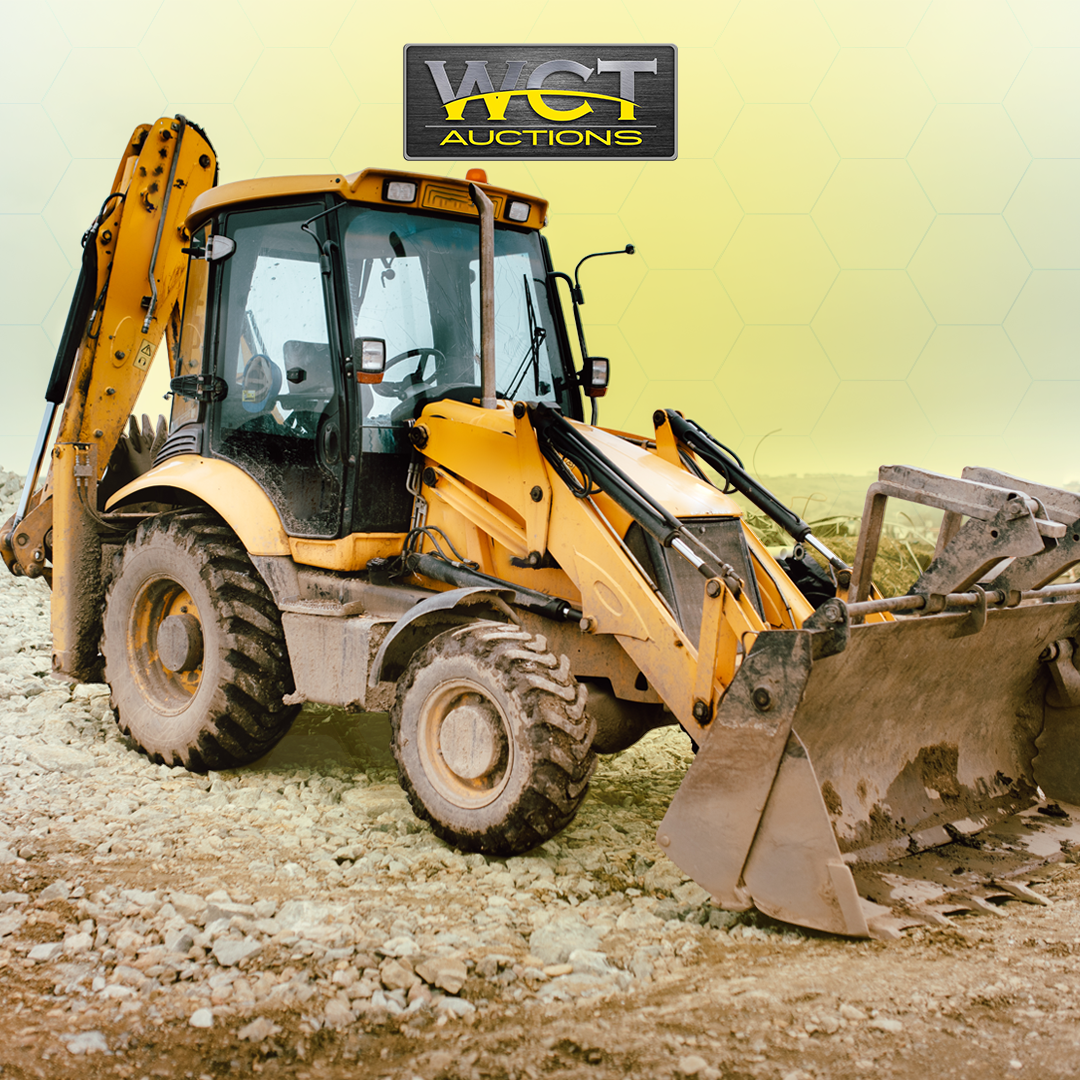
Agricultural operations are asset-intensive by nature. Tractors, harvesters, planters, sprayers, loaders, trailers, and specialised implements represent substantial investment, often accumulated over many seasons as farms expand, diversify, or modernise.
Over time, however, it is common for some of this equipment to become underutilised. Changes in crop focus, improved efficiencies, new machinery purchases, or shifts in operational scale can result in valuable assets sitting idle. While parked equipment may appear harmless, it often ties up capital that could be redeployed more productively elsewhere in the business.
For modern agri businesses, the question is no longer whether idle equipment has value, but how to convert that value into usable capital efficiently and responsibly.
This article explores why idle agricultural equipment impacts financial performance, when it makes sense to sell, and how timed online auctions provide a structured pathway for turning surplus machinery into capital.
The Hidden Cost of Idle Agricultural Equipment
Idle farm machinery is often overlooked during financial reviews because it is already paid for or fully depreciated on the balance sheet. However, underutilised assets still carry real costs.
These may include:
-
Storage and yard space requirements
-
Ongoing insurance expenses
-
Maintenance to prevent deterioration
-
Opportunity cost of capital locked into unused machinery
More importantly, idle equipment represents capital that is not actively contributing to production, efficiency, or growth. In a sector where input costs fluctuate and seasonal cash flow matters, freeing up capital can provide flexibility without increasing operational risk.
When Agricultural Equipment Becomes Surplus
Not all equipment that sees less use should be sold immediately. However, there are clear indicators that machinery has moved from “occasionally useful” to “surplus”.
Common triggers include:
-
Equipment that has not been used for one or more seasons
-
Duplicate machinery retained after fleet upgrades
-
Implements tied to crops no longer planted
-
Machinery kept “just in case” but rarely deployed
-
Assets replaced by more versatile or higher-capacity machines
Regular asset reviews help identify which machines are no longer aligned with current operational needs.
Why Farms Are Increasingly Liquidating Equipment Strategically
Historically, selling farm equipment often happened reactively, usually under pressure. Today, many agri businesses take a more structured approach, viewing equipment disposal as part of broader asset optimisation.
Key reasons farms liquidate equipment include:
-
Funding new machinery purchases
-
Improving cash flow ahead of planting or harvesting cycles
-
Reducing storage and maintenance overheads
-
Simplifying fleet management
-
Responding to changes in production strategy
Strategic liquidation allows farms to remain agile while maintaining control over timing and process.
Traditional Routes for Selling Agricultural Equipment
There are several common channels for selling used agri machinery, each with limitations.
Private Sales
Private listings rely on finding individual buyers, often requiring extended negotiation, uncertain timelines, and repeated site visits.
Dealer Trade-Ins
Trade-ins can be convenient but typically prioritise speed over flexibility and may limit exposure to the broader market.
Informal Networks
Selling within farming communities or networks can work for certain equipment types but often restricts reach.
These methods can be effective in specific circumstances but may not suit farms seeking structured, time-bound asset disposal.
The Role of Timed Online Auctions in Equipment Conversion
Timed online auctions have become an increasingly practical solution for converting idle agricultural equipment into capital.
Rather than relying on one-to-one negotiations, auctions aggregate buyer interest within a defined bidding window, providing a clear framework for asset disposal.
At WCT Auctions, agricultural equipment is sold through structured, online-only auctions that allow sellers to list assets, set timelines, and reach a wide audience of registered buyers.
How Timed Online Auctions Work for Sellers
The auction process is designed to be clear and predictable.
1. Equipment Listing
Sellers provide equipment details, imagery, and relevant information. Assets are scheduled into a specific auction with published dates.
2. Auction Window
Once live, the auction runs for a defined period. Registered buyers can review listings and place bids remotely.
3. Auction Close
Bidding closes at a predetermined time, removing uncertainty around when the sale will conclude.
4. Post-Auction Administration
Once the auction ends, successful bids are processed, and the seller moves forward with finalisation and release of assets.
This structure allows sellers to plan around farming cycles and operational demands.
Why Timed Online Auctions Suit Agricultural Equipment
Defined Timeframes
Farming operates on tight seasonal schedules. Timed auctions allow sellers to choose disposal windows that align with planting, harvesting, or off-season planning.
Broader Buyer Reach
Online auctions attract buyers across regions, expanding visibility beyond local networks.
Reduced Disruption
There is no need for repeated on-site viewings or extended negotiations, helping farms maintain focus on operations.
Transparent Process
The time-bound auction model provides clarity without post-sale renegotiation.
Important Considerations Before Selling
While auctions offer structure, sellers should approach the process with preparation and clarity.
Assets Are Sold As-Is
Auction platforms facilitate the sale but do not provide condition guarantees, grading, or performance assurances. Sellers should present assets accurately and buyers conduct their own evaluations.
Documentation Matters
Ensuring ownership records, service histories, and registration details (where applicable) are in order helps streamline the process.
Timing Is Strategic
Selecting the right auction date can influence buyer participation, particularly around agricultural cycles.
Common Agricultural Equipment Sold via Auctions
Timed online auctions frequently feature a wide range of agri machinery, including:
-
Tractors across various horsepower ranges
-
Combine harvesters and headers
-
Planters, seeders, and cultivation equipment
-
Sprayers and fertiliser spreaders
-
Front-end loaders and attachments
-
Trailers and handling equipment
This diversity makes auctions suitable for both single-asset disposals and broader fleet rationalisation.
Turning Equipment Into Capital Without Operational Risk
One of the primary advantages of auction-based disposal is the ability to separate asset liquidation from operational continuity.
By identifying truly surplus equipment, farms can:
-
Release capital without reducing production capacity
-
Improve balance sheet efficiency
-
Reallocate funds toward maintenance, expansion, or risk management
-
Simplify fleet complexity
This approach supports long-term sustainability rather than short-term pressure selling.
The Role of WCT Auctions
WCT Auctions operates as a digital auction platform, managing the process of listing, bidding, and auction administration for agricultural and industrial assets.
WCT does not act as a dealer, does not provide valuations or condition reports, and does not guarantee outcomes. Its role is to provide a transparent, time-based marketplace where sellers and buyers transact within clearly defined rules.
For agricultural businesses seeking a structured route to convert idle equipment into capital, timed online auctions offer a disciplined alternative to informal disposal methods.
Final Thoughts
Idle agricultural equipment represents more than unused machinery; it represents capital that can be redeployed to strengthen the business.
By reviewing fleet utilisation regularly and using structured disposal channels, farms can improve financial flexibility without compromising operational stability.
Timed online auctions provide a clear, transparent framework for selling surplus agri equipment, allowing asset owners to move from storage to sale within defined timeframes.
For farms and agri businesses looking to convert idle equipment into capital, understanding and using the auction process strategically is an increasingly valuable part of modern asset management.