Commercial Vehicle Auctions for Operators & Fleets
6th Oct, 2026
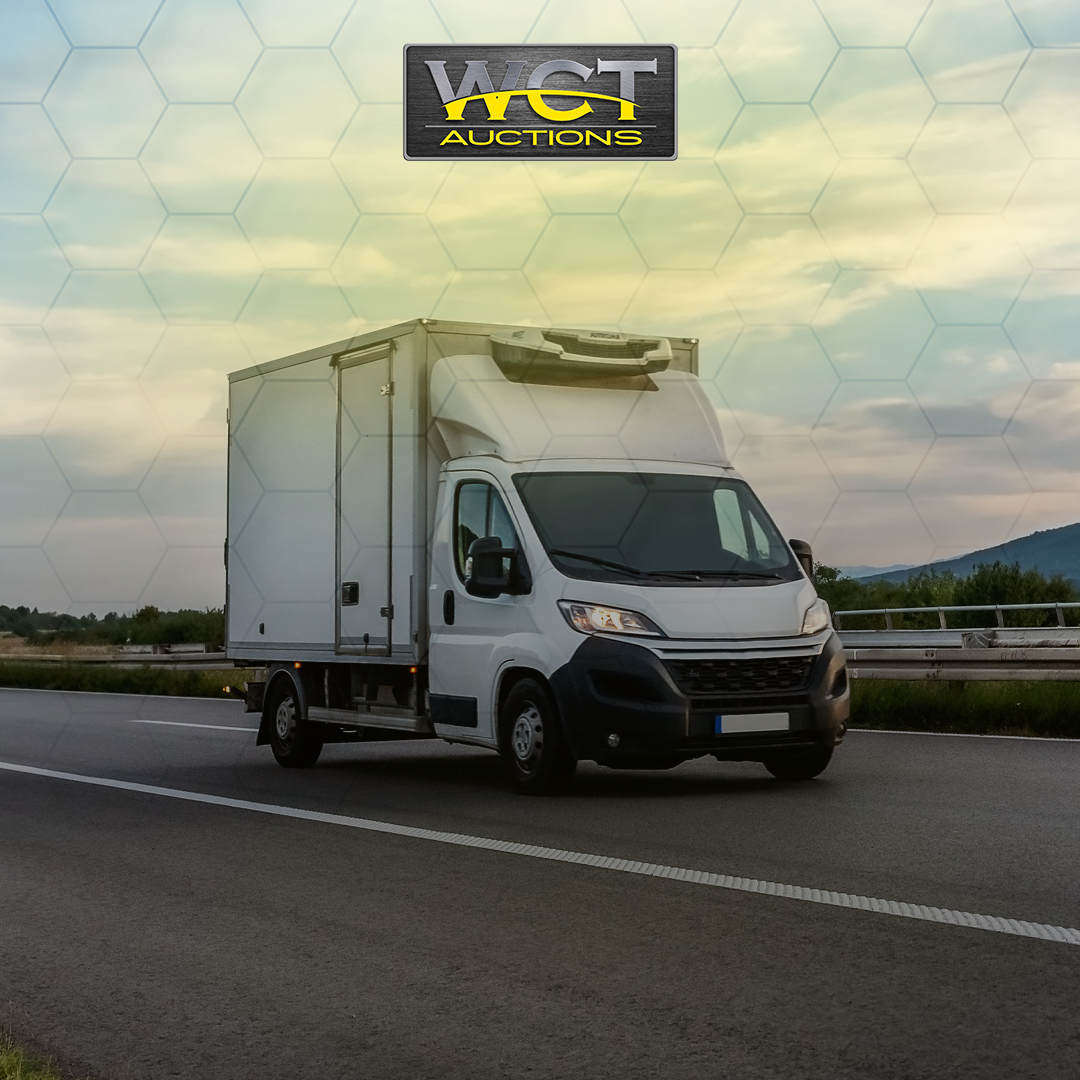
For SMEs, owner-operators and fleet buyers, a vehicle is rarely a casual purchase. It may support deliveries, transport contracts, site access, field teams, logistics capacity, service routes or revenue-generating work.
A bakkie, truck, trailer, van or fleet vehicle can directly affect how much work a business can take on, how efficiently it can serve customers and how quickly it can respond to new opportunities.
That is why commercial vehicle buying should start with a practical question:
What does this vehicle need to do for the business?
Commercial vehicle auctions can give business buyers access to used commercial vehicle opportunities through a structured auction process. Instead of relying only on new vehicle purchases, private listings or dealership availability, buyers can view available auction lots, compare options, review information and decide whether a vehicle suits their operational requirements.
At WCT Auctions, commercial vehicle auctions are held through timed online auctions. Buyers can view available lots, review photos and descriptions, register to bid and participate online within a defined auction period.
For SMEs, owner-operators and fleet buyers, this can create a practical way to source working vehicles, provided each buying decision is made carefully.
Why Businesses Use Commercial Vehicle Auctions
Businesses use commercial vehicle auctions when they need access to vehicles that can support real operational needs.
A business may need to replace an ageing vehicle, add capacity for a new contract, support site teams, expand delivery routes, source a truck or trailer for specific work, or reduce pressure on an existing fleet.
Commercial vehicle auctions may be useful when buyers want to:
-
replace ageing or high-maintenance vehicles;
-
add vehicles for new routes, sites or contracts;
-
compare multiple used commercial vehicle options;
-
access vehicles across different categories;
-
source trucks, trailers, bakkies or fleet vehicles;
-
reduce reliance on only new vehicle purchases;
-
support short-term or long-term fleet planning;
-
find vehicles that match specific business needs.
The value of an auction is not only in the possibility of finding a vehicle at a suitable price point. It is also in the ability to compare available assets in one structured environment.
A prepared buyer can review what is available, assess condition and documents, understand auction terms and decide whether the vehicle fits the business before bidding.
Why Auctions Can Matter for SMEs
For small and medium-sized businesses, commercial vehicles often play a direct role in growth.
An SME may need a vehicle to deliver products, reach customers, move tools and materials, access sites or support a newly awarded contract. Without the right vehicle, the business may struggle to take on additional work or service existing customers efficiently.
Buying every vehicle new may not always be practical for a growing business. New vehicles can require a significant capital outlay, finance commitment or waiting period. Used commercial vehicle auctions may give SMEs access to vehicle opportunities at different price points, depending on available stock, buyer demand and bidding activity.
For SMEs, auctions can support practical buying needs such as:
-
adding a delivery vehicle;
-
sourcing a bakkie for service teams;
-
finding a truck for transport work;
-
adding a trailer to support load capacity;
-
replacing a vehicle that is no longer reliable;
-
supporting a new project, site or contract;
-
comparing different vehicle types before deciding.
However, SMEs should still approach auction buying carefully.
A lower bid price does not automatically mean a lower total cost. Buyers still need to consider condition, tyres, servicing, licensing, roadworthy requirements, buyer’s premium, VAT, transport, repairs and the time needed before the vehicle can be put to work.
The strongest SME buyers are the ones who know exactly what the vehicle must do for the business before they bid.
How Owner-Operators Can Use Commercial Vehicle Auctions
For an owner-operator, a commercial vehicle is often directly linked to income.
A truck, bakkie, van or trailer may be the asset that allows the owner-operator to take on work, service clients, transport goods, carry equipment or fulfil a contract. This makes the buying decision especially important.
Owner-operators may use commercial vehicle auctions when they need:
-
a truck for transport or logistics work;
-
a bakkie for site, service or field work;
-
a van for deliveries or mobile operations;
-
a trailer to support an existing truck tractor;
-
a replacement for an ageing or unreliable vehicle;
-
a vehicle suited to a specific contract or route;
-
a support vehicle for tools, equipment or materials.
Because the vehicle may be central to earning capacity, owner-operators should avoid buying only because a vehicle appears affordable or available.
They should first assess whether the asset fits the work.
Important questions include:
-
Can the vehicle carry the required load?
-
Does it suit the route or site conditions?
-
Is the vehicle type appropriate for the work?
-
What is the visible condition?
-
What documents are available?
-
What repairs or preparation may be needed?
-
What are the auction terms?
-
What is the total cost after bidding, VAT, buyer’s premium and collection?
-
How soon can the vehicle realistically be put into operation?
Auction participation can be useful for owner-operators, but preparation is critical. A vehicle that does not suit the work can create downtime, unexpected cost and pressure on the business.
Fleet Buyers and Larger Businesses
Fleet buyers often use commercial vehicle auctions differently from smaller businesses or owner-operators.
A larger business may not be looking for only one vehicle. It may be managing fleet replacement, route expansion, contract changes, vehicle standardisation, capacity planning or disposal and acquisition cycles.
Fleet buyers may use auctions to:
-
replace multiple vehicles;
-
add capacity across branches or sites;
-
source trucks and trailers together;
-
find support vehicles for field teams;
-
diversify the fleet for new types of work;
-
respond to contract wins or operational changes;
-
compare vehicle categories across multiple auction lots;
-
support planned fleet rotation.
For fleet managers and procurement teams, the advantage of a structured auction environment is that different vehicle opportunities can be reviewed, compared and discussed internally before bidding.
A fleet manager may assess suitability. An operations team may confirm route or site requirements. A finance team may calculate VAT, buyer’s premium, transport, repair allowance and total cost. Senior decision-makers may decide whether the vehicle fits the broader fleet plan.
This makes commercial vehicle auctions useful not only for one-off purchases, but also for broader fleet planning.
Types of Commercial Vehicles Buyers May Find at Auction
The types of vehicles available will depend on the specific auction and listed stock.
Commercial vehicle auctions may include a wide range of business-use vehicles and assets, such as:
-
trucks;
-
truck tractors;
-
trailers;
-
bakkies;
-
vans;
-
delivery vehicles;
-
fleet vehicles;
-
tippers;
-
flatbeds;
-
dropsides;
-
service vehicles;
-
utility vehicles;
-
plant transport assets;
-
commercial support vehicles.
Each vehicle type serves a different business purpose.
A truck may support long-distance transport, local distribution, construction or logistics work. A truck tractor may need to be matched to suitable trailers. A trailer may support bulk materials, general freight, container movement, equipment transport or route-based delivery work. A bakkie or van may support service teams, sales teams, site access, deliveries or field operations.
Buyers should remember that availability changes from auction to auction. The important step is to review current commercial vehicle auction lots and assess whether any available assets match the business requirement.
Match the Vehicle to the Business Need
The strongest commercial vehicle buying decisions start with the work the vehicle must perform.
A vehicle may look suitable in isolation, but it still needs to fit the buyer’s route, load, site, team, contract and operating environment.
Before bidding, buyers should consider:
-
what work the vehicle must perform;
-
the type of load it must carry;
-
payload or capacity requirements;
-
route distance;
-
road conditions;
-
site access;
-
loading and unloading needs;
-
fuel and running costs;
-
driver requirements;
-
licensing requirements;
-
maintenance access;
-
compatibility with trailers or equipment where relevant;
-
whether the vehicle supports an active or future contract.
This applies to all buyer types.
-
An SME may need a delivery vehicle that can support customer demand.
-
An owner-operator may need a truck that matches a contract.
-
A fleet buyer may need vehicles that fit a larger operational plan.
-
A construction company may need vehicles that can access sites.
-
A logistics business may need vehicles that can support specific routes and loading requirements.
Buying because a vehicle is available is not enough.
The right vehicle is the one that can support the work reliably, safely and practically after purchase.
Understanding Affordability Beyond the Bid Price
Commercial vehicle auctions can give buyers access to used vehicle opportunities that may provide an alternative to buying new.
For many businesses, this can be important. A used commercial vehicle may allow a buyer to add capacity, replace a unit or support growth without relying only on new vehicle channels.
However, affordability should never be assessed by bid price alone.
The total cost of buying a vehicle at auction may include:
-
the bid amount;
-
buyer’s premium;
-
VAT;
-
repairs;
-
servicing;
-
tyres;
-
licensing;
-
roadworthy requirements;
-
transport or collection;
-
insurance;
-
downtime before use;
-
finance or cash flow considerations;
-
operating costs after purchase.
A vehicle that appears affordable upfront may require work before it can be used. Another vehicle may have a higher bid price but require less immediate preparation.
Buyers should look at the full cost of putting the vehicle into service.
For SMEs and owner-operators especially, this is important because cash flow can be affected by unexpected repairs, delays or collection costs. For fleet buyers, total cost matters because one vehicle may affect maintenance planning, uptime and fleet efficiency.
A responsible auction buyer sets a maximum bidding limit based on both the vehicle’s value to the business and the likely cost after purchase.
How WCT Timed Online Commercial Vehicle Auctions Work
WCT Auctions runs timed online auctions.
Unlike a traditional live auction, a timed online auction runs over a defined period. Buyers can view listed lots, review available information and place bids online before the auction closes.
This format gives business buyers time to prepare before bidding.
A typical buyer journey may look like this:
-
View upcoming commercial vehicle auction lots.
-
Review available photos, descriptions and documents.
-
Compare vehicles against business needs.
-
Check auction terms and buyer requirements.
-
Arrange viewing or inspection where applicable.
-
Register to bid.
-
Set a maximum bidding limit.
-
Bid online during the auction period.
-
Complete payment and collection if successful.
For commercial buyers, this structure is useful because vehicle buying is rarely an isolated decision.
The buyer may need to speak to operations, finance, management or workshop teams before bidding. They may need to confirm whether the vehicle suits the work, whether documents are available and whether any post-purchase preparation is required.
Timed online auctions give buyers a structured way to review, compare and prepare.
What Buyers Should Check Before Bidding
Buying a used commercial vehicle at auction should still involve proper assessment.
The vehicle does not need to be new or perfect to be useful, but buyers should understand what they are bidding on and what may be required after purchase.
Before bidding, buyers should review as much available information as possible.
Important checks may include:
-
vehicle type;
-
make and model;
-
year where available;
-
mileage or hours where relevant;
-
engine condition where information is available;
-
gearbox condition where information is available;
-
brakes;
-
tyres;
-
suspension;
-
chassis;
-
load body;
-
cab condition;
-
lights and electrical systems;
-
trailer compatibility where relevant;
-
registration documents;
-
licence status;
-
VAT;
-
buyer’s premium;
-
asset location;
-
collection requirements;
-
repair or preparation costs.
Buyers should also consider whether they have access to workshop support, parts, transport and licensing assistance after purchase.
A commercial vehicle may suit the business requirement, but if the buyer has not planned for preparation costs or collection, the purchase can become more complicated than expected.
Common Mistakes to Avoid
Commercial vehicle auctions can create useful opportunities, but buyers should avoid common mistakes that can weaken the buying decision.
One of the biggest mistakes is bidding without a clear business need.
A vehicle may look attractive, but if it does not suit the load, route, site, contract or operating environment, it may not be the right asset for the business.
Buyers should avoid:
-
bidding only because the vehicle appears available;
-
focusing only on the lowest bid amount;
-
ignoring vehicle condition;
-
not checking documents;
-
forgetting buyer’s premium or VAT;
-
failing to plan for collection;
-
not allowing for repairs or servicing;
-
assuming every vehicle is ready for immediate work;
-
not confirming route, load or site suitability;
-
overlooking trailer or equipment compatibility;
-
waiting too long to register;
-
bidding without a maximum limit.
Responsible auction participation starts with preparation.
The more clearly the buyer understands the vehicle, the auction terms and the business requirement, the stronger the decision is likely to be.
How Commercial Vehicle Auctions Can Support Business Growth
Commercial vehicles can play a direct role in business growth.
For an SME, the right vehicle may make it possible to take on more deliveries, reach more customers, support more field teams or service a new contract.
For an owner-operator, the vehicle may be the core asset that allows the business to earn income.
For a fleet buyer, additional or replacement vehicles may support route expansion, contract performance, operational flexibility and fleet reliability.
Commercial vehicle auctions can support growth when buyers use them as part of a planned sourcing strategy.
The right vehicle can help a business:
-
take on more work;
-
support new contracts;
-
reduce dependence on hired vehicles;
-
reduce pressure on existing fleet assets;
-
improve fleet flexibility;
-
add delivery or site capacity;
-
replace vehicles that are limiting operations;
-
support owner-operator income;
-
strengthen operational resilience.
However, the growth opportunity depends on choosing carefully.
A vehicle should not only be available. It should support the business need, fit the operating environment and make sense after condition, documents, auction costs and preparation requirements are considered.
Commercial Vehicle Auctions in South Africa: A Practical Buying Channel
Commercial vehicle auctions in South Africa can be useful for buyers who understand what they need and are prepared to assess available lots properly.
Different businesses will use auctions in different ways.
-
An SME may be looking for a first delivery vehicle or an additional bakkie.
-
An owner-operator may be searching for a truck that can support contract work.
-
A logistics company may need trailers or fleet vehicles.
-
A construction business may need trucks, dropsides, tippers or support vehicles.
-
A fleet buyer may be comparing several lots as part of a broader replacement plan.
The common factor is that the vehicle must serve a commercial purpose.
That is why auction buying should always be linked to operational fit. Buyers should understand what they need, compare available options, check the details and register in time to participate.
Final Thoughts
Commercial vehicle auctions can be a practical sourcing channel for SMEs, owner-operators and fleet buyers looking for used vehicles that support real business needs.
The strongest buying decisions are made when buyers understand what the vehicle must do, how it will be used and what the full cost may be after purchase.
Auctions can give business buyers access to used commercial vehicle opportunities through a structured process, but preparation remains essential. Buyers should review available information, assess condition, check documents, understand auction terms and set a bidding limit before participating.
At WCT Auctions, buyers can view commercial vehicle auction lots, compare available assets and register to bid online through timed online auctions.
If your business is looking for used commercial vehicle opportunities, view upcoming commercial vehicle auction lots with WCT Auctions and register to bid before the auction closes.